What is Cladding and
its material types
Cladding is a non-load-bearing layer attached to the external walls of a building. While it does not support structural weight, it serves both functional and aesthetic purposes. Depending on the material and system used, cladding can provide water resistance, insulation, and design appeal.
Common Types of Cladding Materials
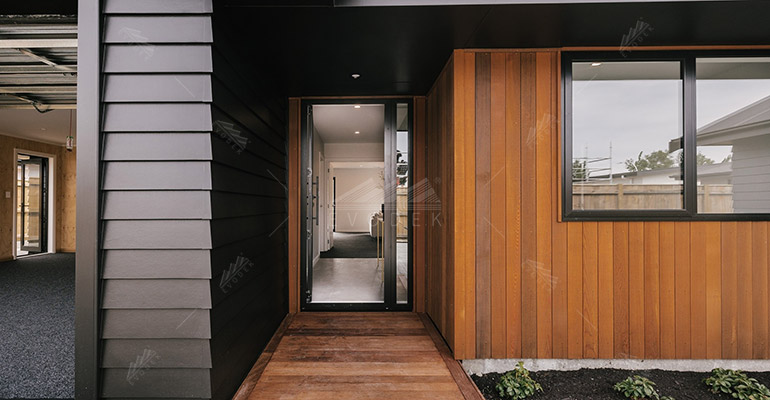
Timber Cladding:
Appearance: Natural, warm, rustic
Common Species: Cedar, Larch, Pine, Merbau
Vinyl Cladding:
Appearance: Made of PVC; often mimics timber
Metal Cladding:
Aluminium, Zinc, Steel, Copper
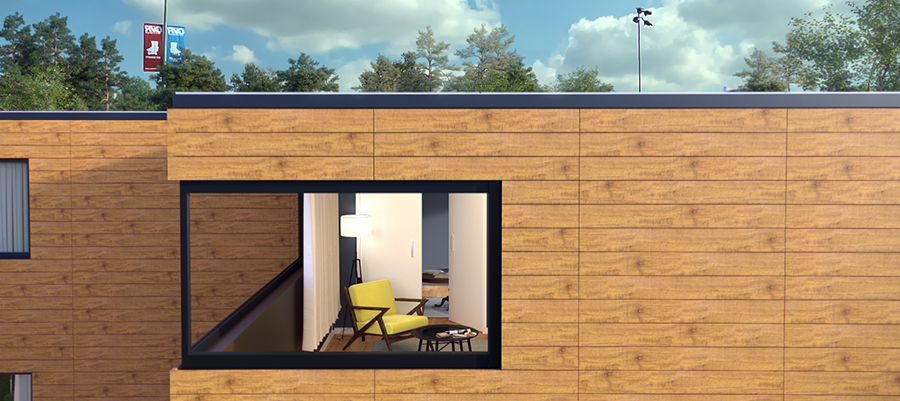
Composite Cladding:
Made from recycled wood and plastic or other blends
We take special care to keep your home clean and safe during the flooring installation process. We cover sensitive areas with plastic, and sanding tools are equipped with an automatic dust collection system. We also take every precaution to create an Eco-friendly work environment, by using non-toxic odorless, staining and lacquering materials.
Why Choose Nice Flooring for Cladding
Choosing the right company could is as important as selecting your materials , trust the best floor installers in Australia for top quality and durability of your floors
- Efficient Project Coordination - We coordinate the project from start to finish to meet working schedule and colaborate with other contractors
- Exclusive Quality Guarantee - We are fully licensed and insured and we provide a 2 year warranty on our installation and repair work
- Free On-site Estimate - We offer a no obligation on-site estimate with a demonstration of the flooring samples that we carry
Cladding Installation
Nothing can make your home or business look better, faster than fresh looking floors! Whether your floors need a little touch up, a complete resurfacing, or installation of brand new flooring, our experts can make it happen.
Inspect and prepare the substrate (e.g., wall sheathing),Install a weather barrier (breather membrane)
Fix vertical or horizontal battens (timber or metal) to support cladding,Ensure even spacing for ventilation and secure fixing
Start from the bottom and work upward,Use appropriate fasteners or clips for the material,Leave expansion gaps where needed,Seal joints and edges to prevent water ingress
